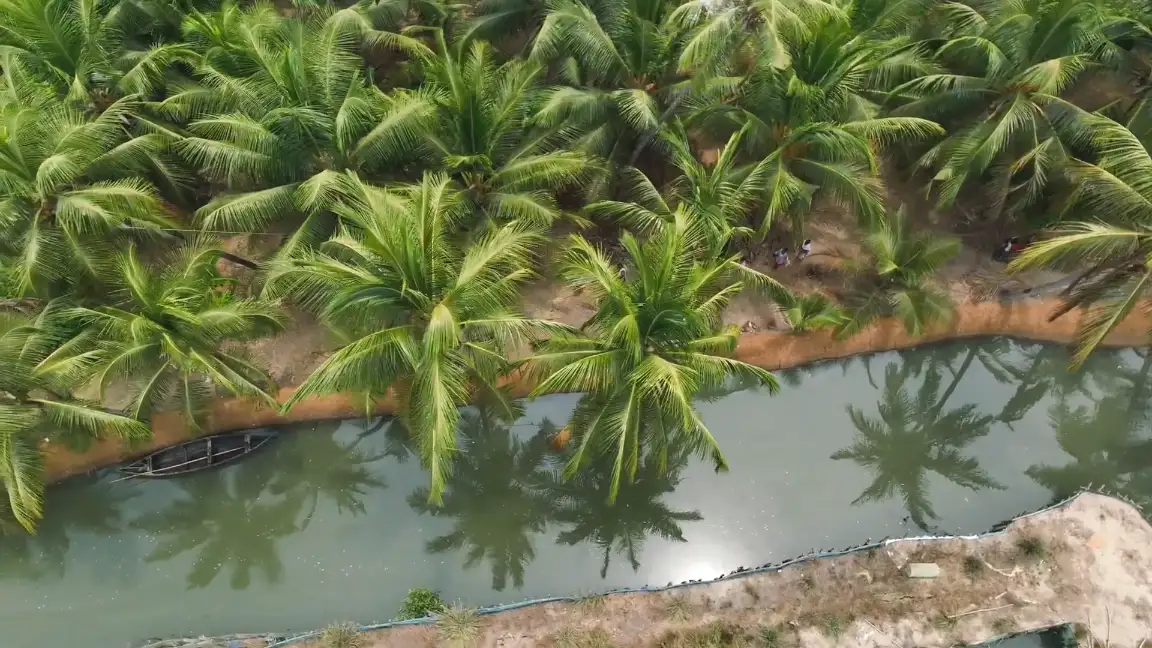
Nature - based bank stabilisation that protects vulnerable riverbanks, reduces erosion and supports vegetation establishment - helping river systems recover and remain resilient.
The Challenge
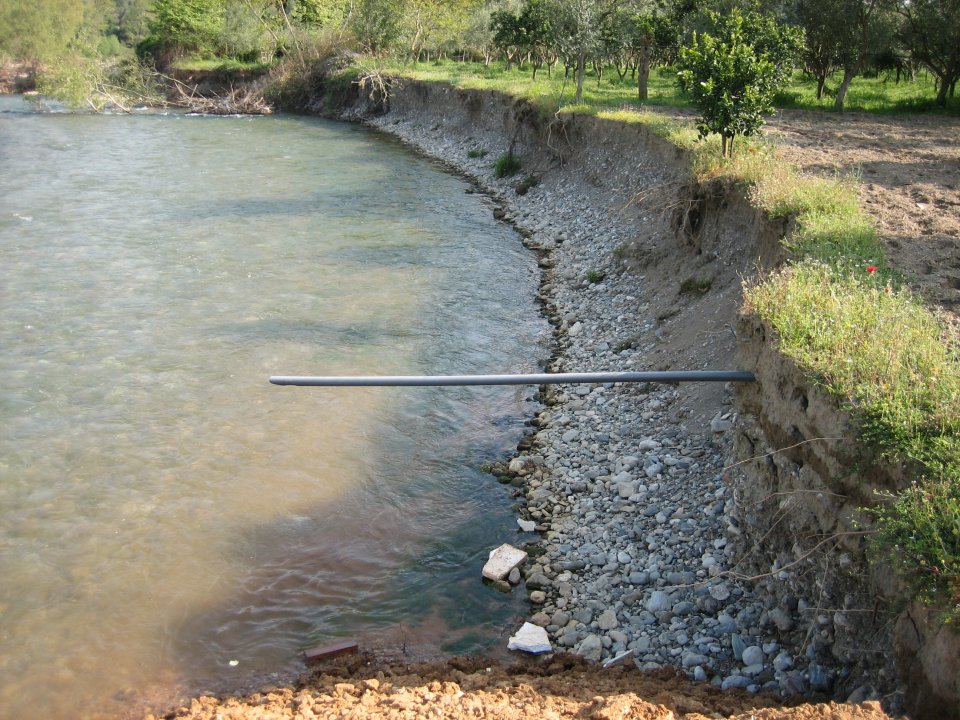
Riverbank erosion is a natural process, but accelerated erosion can progressively remove soil, destabilise banks, mobilise sediment and affect surrounding ecosystems and infrastructure.
Bank erosion and soil loss - a single severe storm event can strip away as much as 250 tonnes of topsoil per hectare where banks are left unprotected
Scouring and surface instability
Loss of vegetation and root structure
Sediment movement and downstream water-quality impacts
Degraded riverbank habitats
Damage to nearby infrastructure
Our Solution
FloraVeld combines nature-based erosion-control, bank-stabilisation and vegetation systems to address both the immediate physical risks of erosion and the longer-term need for ecological recovery. Coir's coarser, more rigid fibre structure - compared with cotton or jute - allows it to bridge gaps in the soil surface, giving it a natural advantage as a filter and separation layer while roots establish. The right combination depends on bank conditions, hydraulic forces, soil characteristics, slope geometry and vegetation objectives.
Where It Applies
Rivers
Streams
Canals
Lakes & Ponds
Urban Waterways
Irrigation Channels
Rivers
Streams
Canals
Lakes & Ponds
Urban Waterways
Irrigation Channels
Technologies
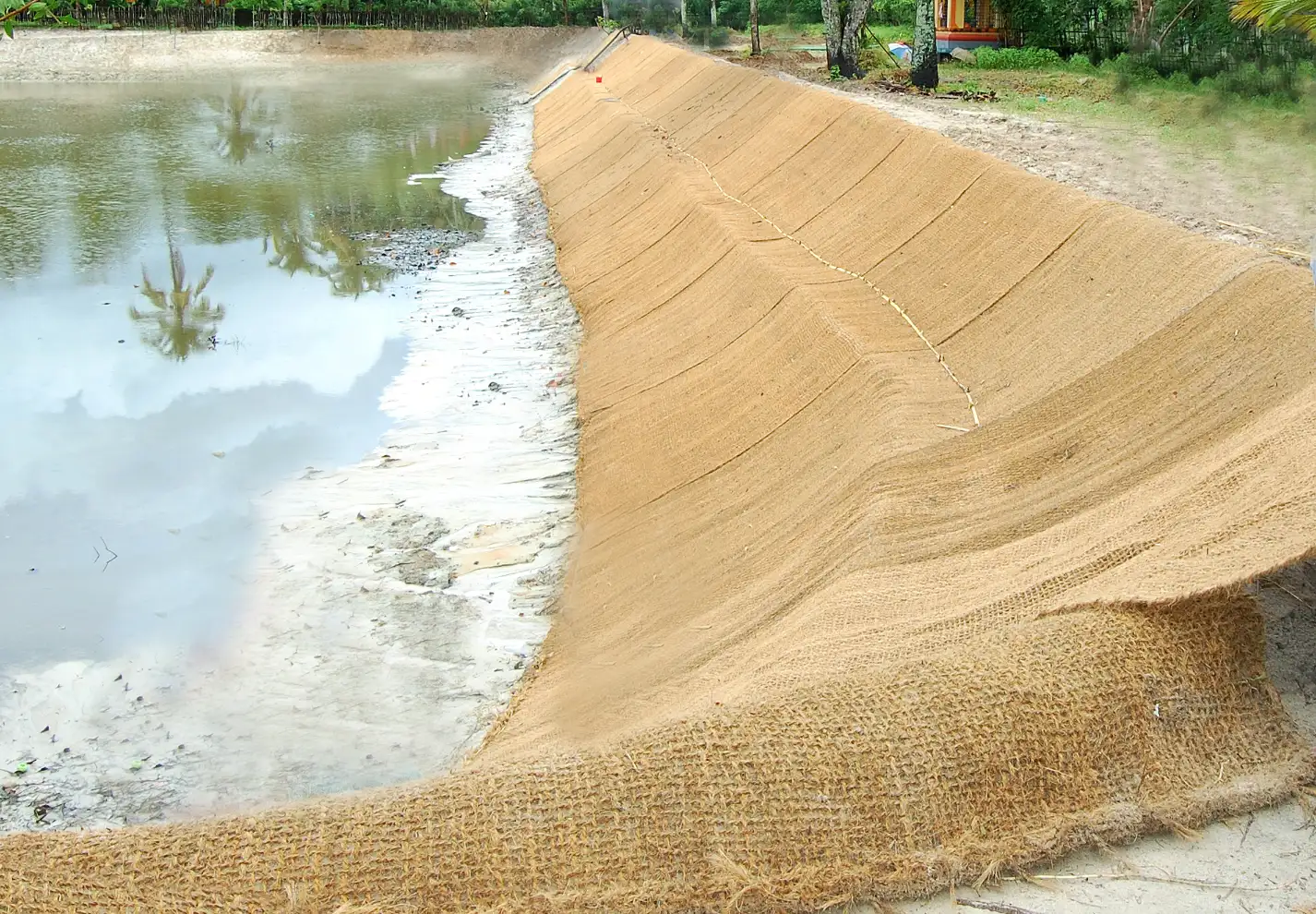
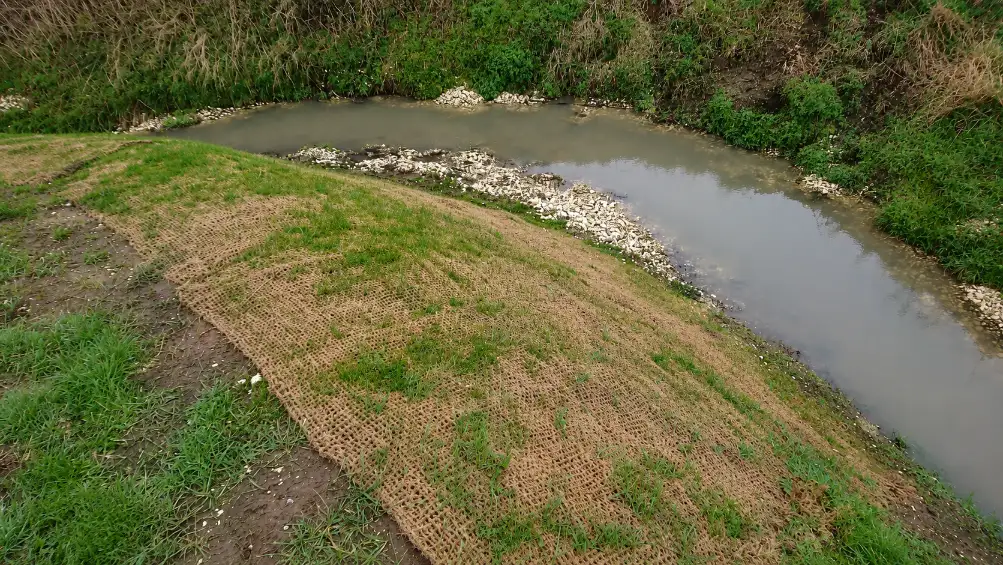
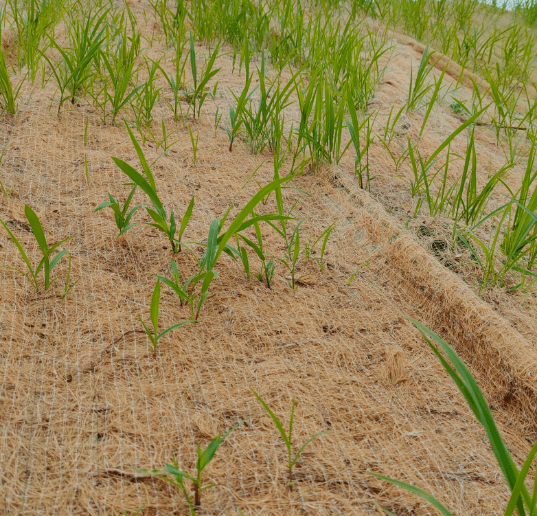
Coir Geotextiles
Woven surface-protection blankets, produced as meshed or non-meshed depending on bank gradient, rainfall intensity and soil type.
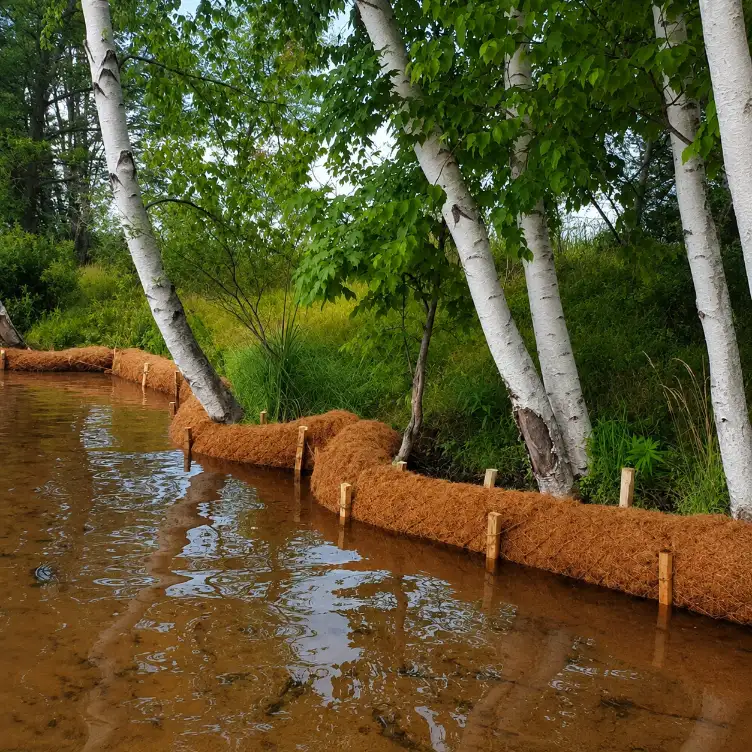
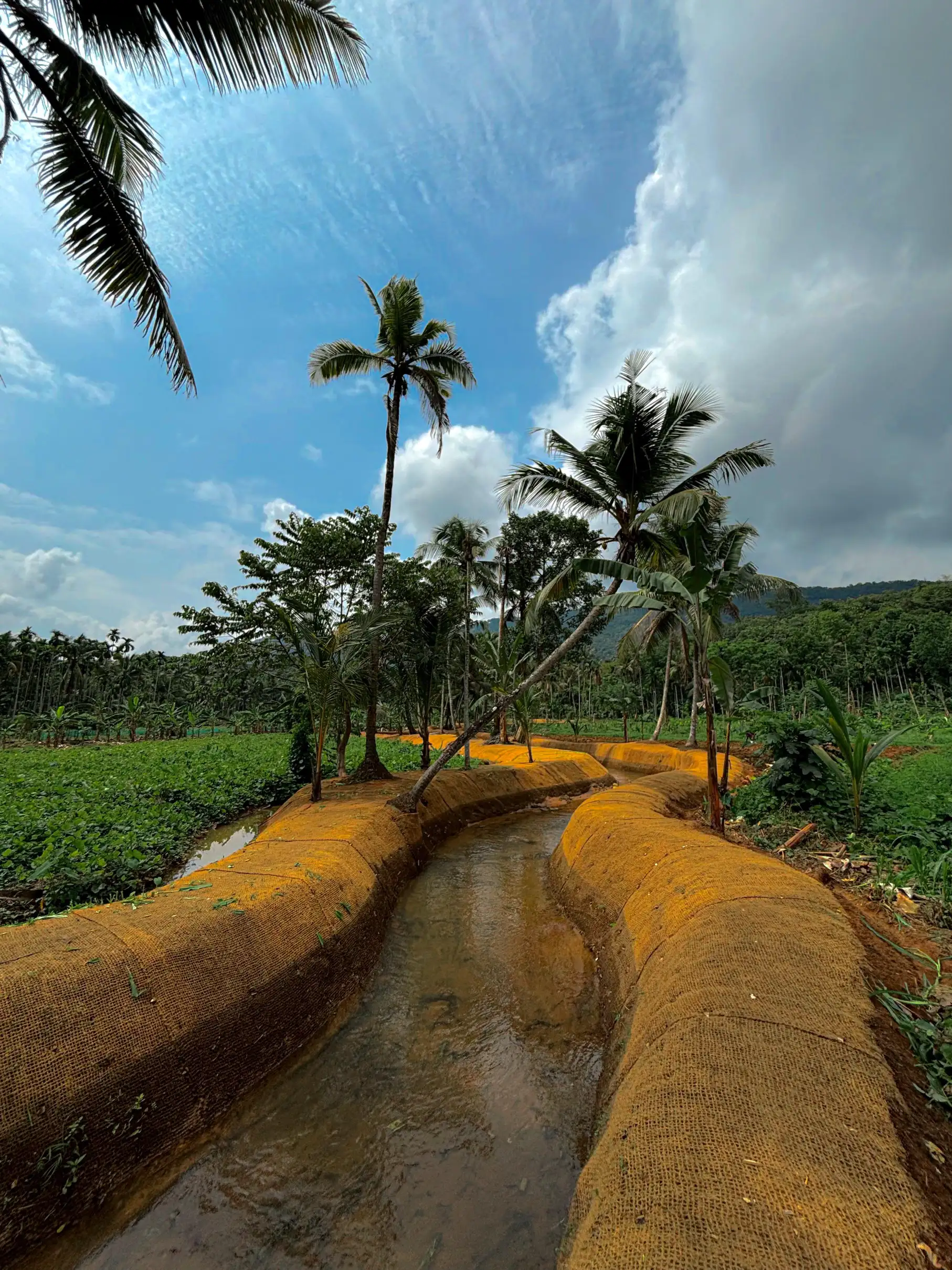
Cocologs
Tubular coir netting densely packed with coir fibre; staked directly into the bank edge and can be stacked where water levels vary or embankments are high.
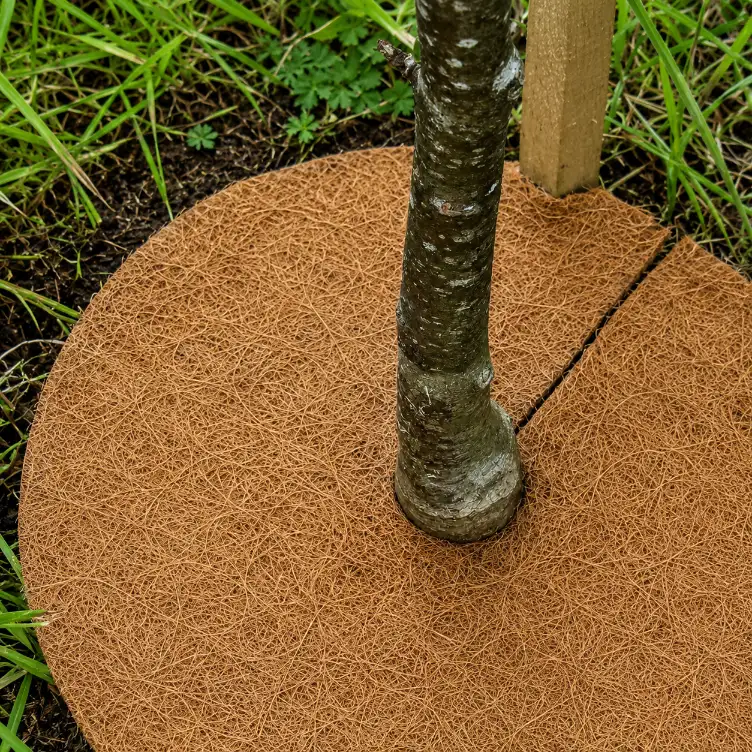
Coir Mulch Mats
Biodegradable surface protection that supports vegetation establishment.
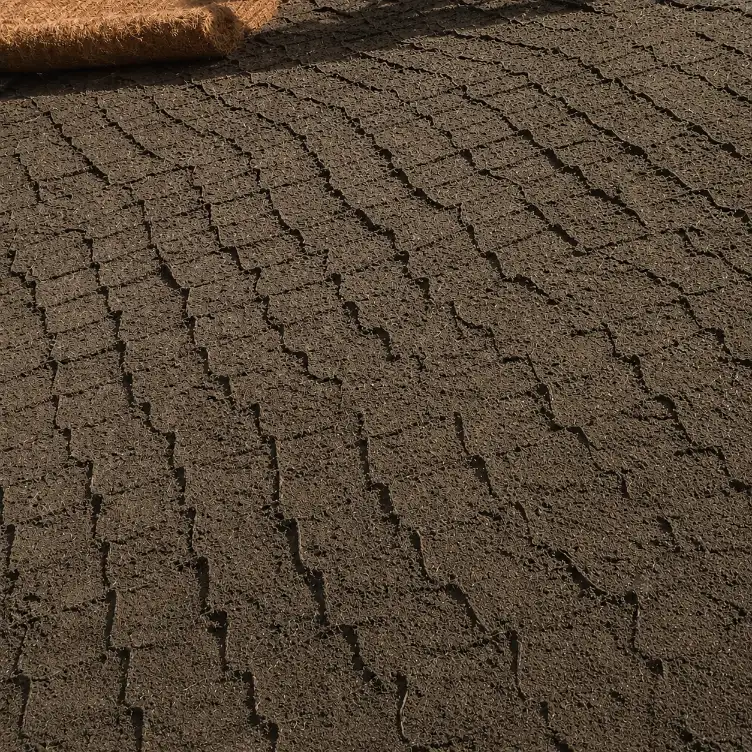
Coir Geocells
Cellular soil-reinforcement systems for appropriate bank and slope conditions.
Vegetation Systems
Planting strategies that support ecological recovery and landscape integration.
How It Works
Protect
Vulnerable soil surfaces from the erosive force of flowing water.
Provide
Adds additional reinforcement
Promote
Create conditions that support vegetation, laying material in the direction of water flow, from the top of the bank downward.
Integrate
Allow vegetation and natural processes to progressively integrate the intervention into the landscape as the coir breaks down over time.
Key Benefits
Reduced surface erosion and soil loss
Improved bank stability, with tensile strength sufficient to withstand pedestrian movement
Reduced sediment movement into waterways
Support for vegetation establishment
Improved habitat conditions for fish and other wildlife
High resistance to salt water, so performance holds up in tidal or brackish reaches subject to wave-lap erosion
Progressive, humus-forming landscape integration with no synthetic residue to remove
Request a Consultation
Tell us about your project — we'll be in touch within five business days.