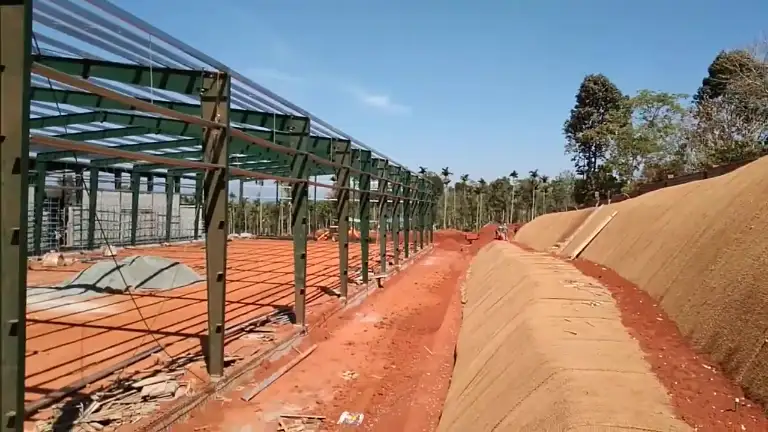
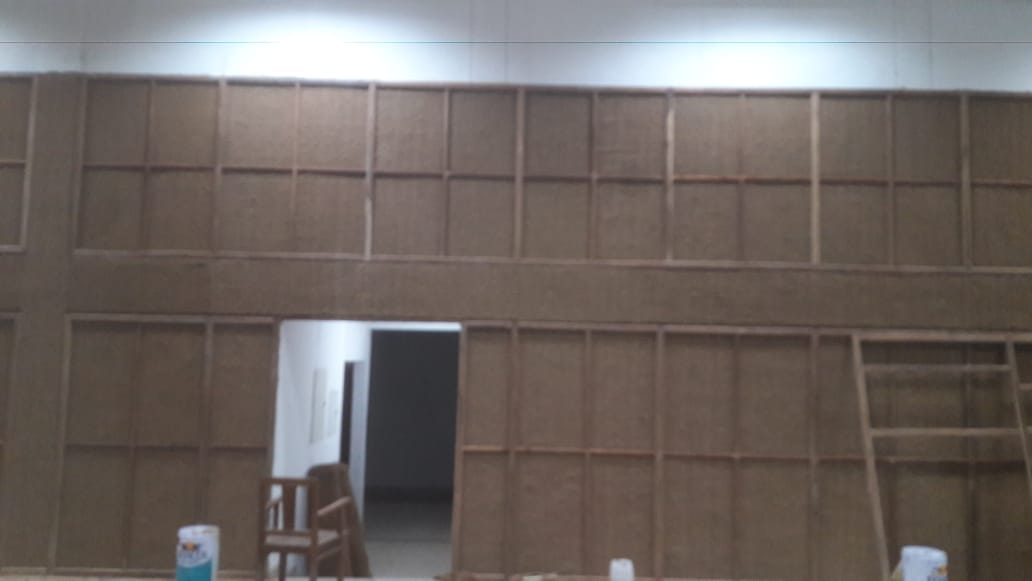
Nature-based infrastructure solutions for sustainable access, construction, backfilling and insulation - bringing renewable materials and practical engineering together.
The Challenge
Infrastructure does not exist separately from the environment around it. Construction sites, access routes, public spaces and buildings increasingly need solutions that reduce environmental impact while maintaining practical performance.
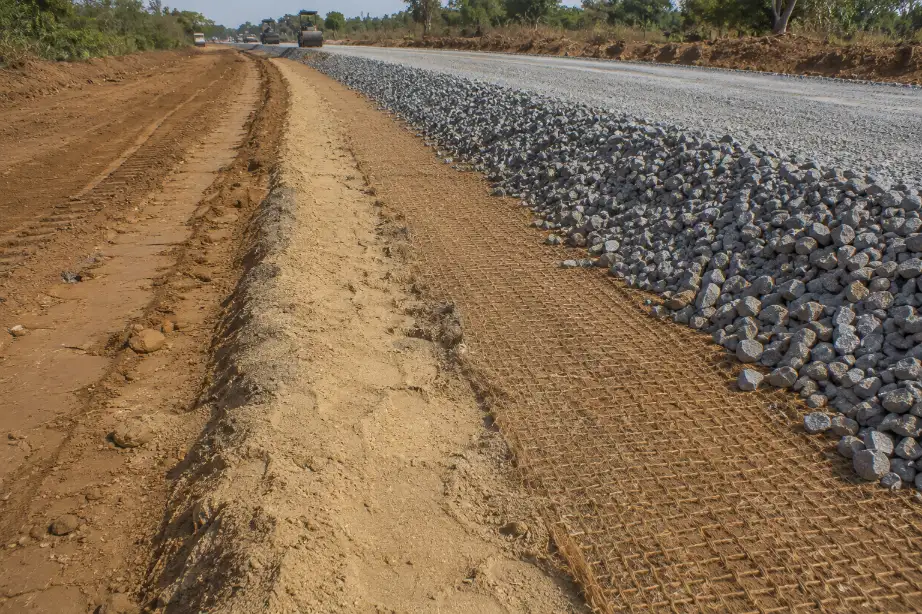
Weak or clayey sub-grades that shorten the working life of unpaved and low-volume roads
Intermixing of sub-grade and granular sub-base material, which undermines drainage and load-bearing capacity
Sediment-laden runoff from construction sites entering nearby watercourses
Growing demand for renewable, non-plastic materials in insulation and panelling
Our Solution
FloraVeld brings nature-based materials and technologies into infrastructure applications where they can provide practical engineering and environmental value. As a geotextile, coir performs the same core mechanical functions used across civil engineering — separation, reinforcement, protection and support - while being fully biodegradable, so it need not be removed once it has done its job.
Where It Applies
Sustainable Access
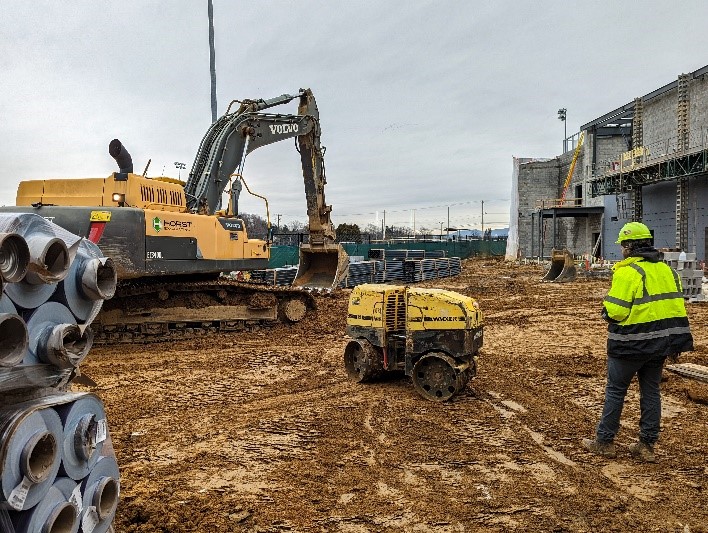
Construction Sites
Rural & Unpaved Roads
Thermal & Acoustic Insulation
Composite Panel Applications
Sustainable Access
Construction Sites
Rural & Unpaved Roads
Thermal & Acoustic Insulation
Composite Panel Applications
Technologies
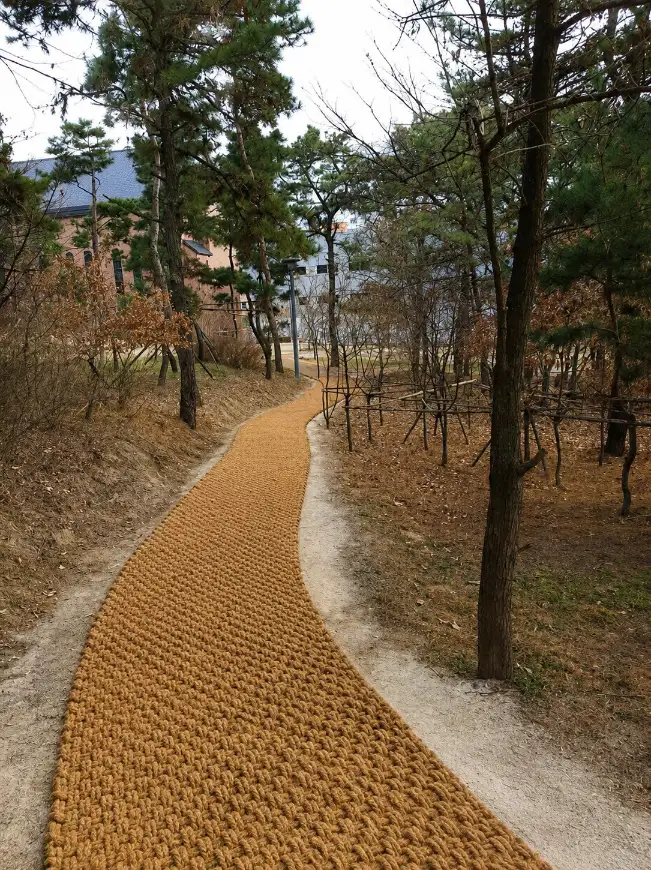
Coir-Based Pathways
Sustainable surfacing for footpaths and low-traffic access routes.
Coir Construction Mats
Temporary ground protection on construction sites.
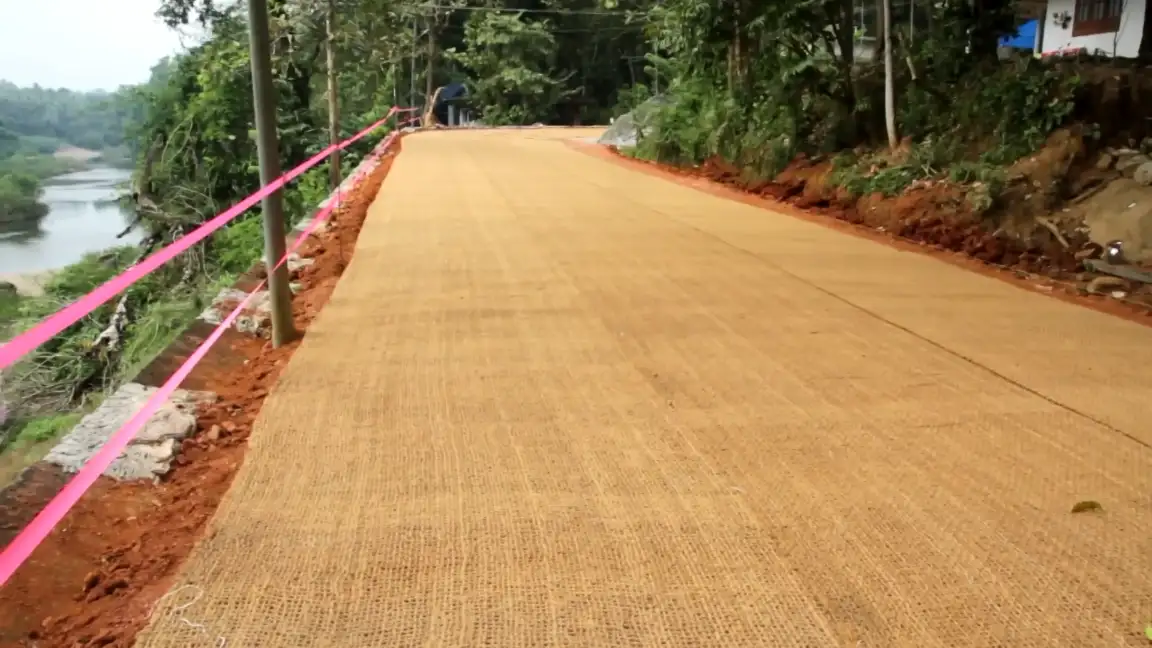
Coir Sub-Base Fabric
Laid as an interface between the sub-grade and the granular sub-base in road and rural-road construction, improving drainage and preventing the two layers from intermixing; a sand cushion layer is added first over clay sub-grades to prevent puncturing.
Coir Geotextiles for Backfilling
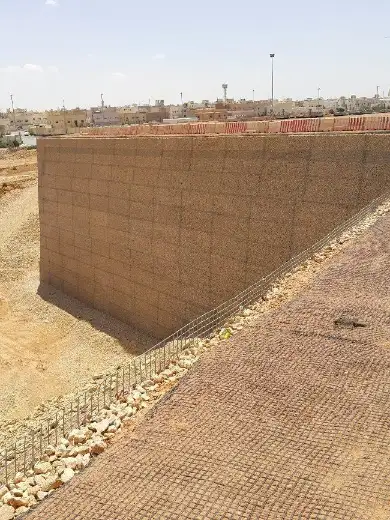
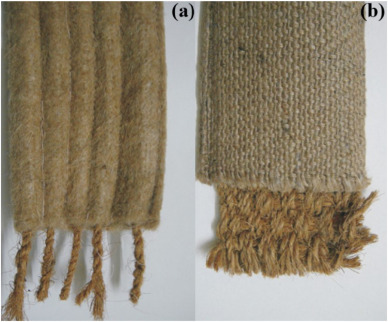
Woven coir geotextiles reinforce backfill layers (retaining walls, embankments, subgrades), separate backfill from native soil and drainage layers , retain moisture for seed/root growth, and eventually biodegrade over years after restoring the structural strength of the soil layers.
Coir Wick Drains
Vertical drains used to consolidate soft or waterlogged ground beneath infrastructure.
Coir Insulation Boards
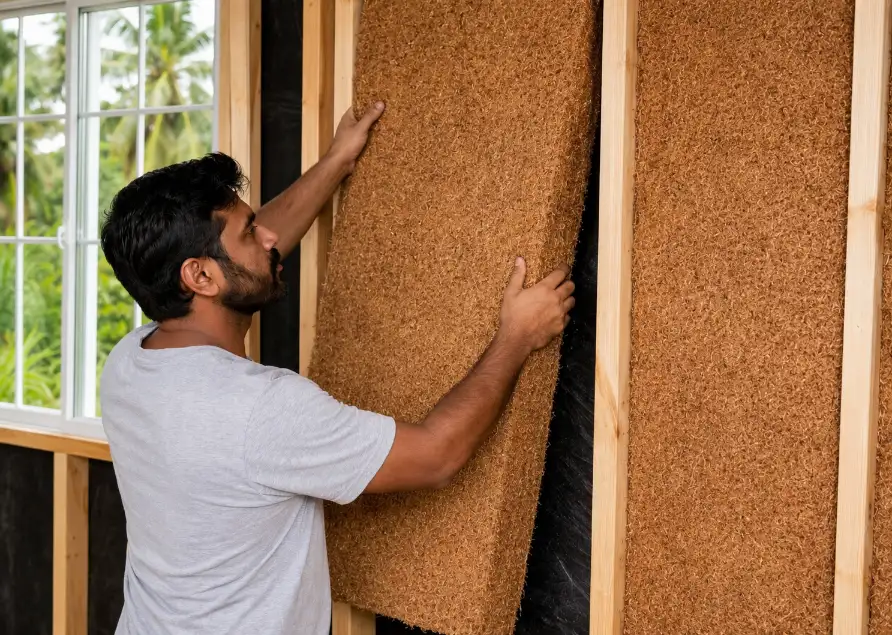
Thermal and acoustic performance for energy-efficient buildings.
How It Works
Assess
Site conditions, sub-grade type and load requirements reviewed to select the right coir grade and configuration.
Install
Sub-base fabric, drains, mats or panels installed according to the application, following standard site preparation and rolling procedures.
Protect
The installed system improves drainage, prevents material intermixing and reduces sediment runoff throughout the construction and operational phases.
Perform
The material delivers its structural, or filtration function for its working life, then biodegrades without residue.
Key Benefits
Renewable material applications drawn from a coconut-industry by-product
Reduced dependence on conventional, plastic-based materials where appropriate
Practical infrastructure functionality - drainage, separation and insulation
Extended pavement life through reduced intermixing of sub-base layers
Integration of environmental considerations into project design
Support for a circular economy through reuse of agricultural biomass
Request a Consultation
Tell us about your project — we'll be in touch within five business days.